
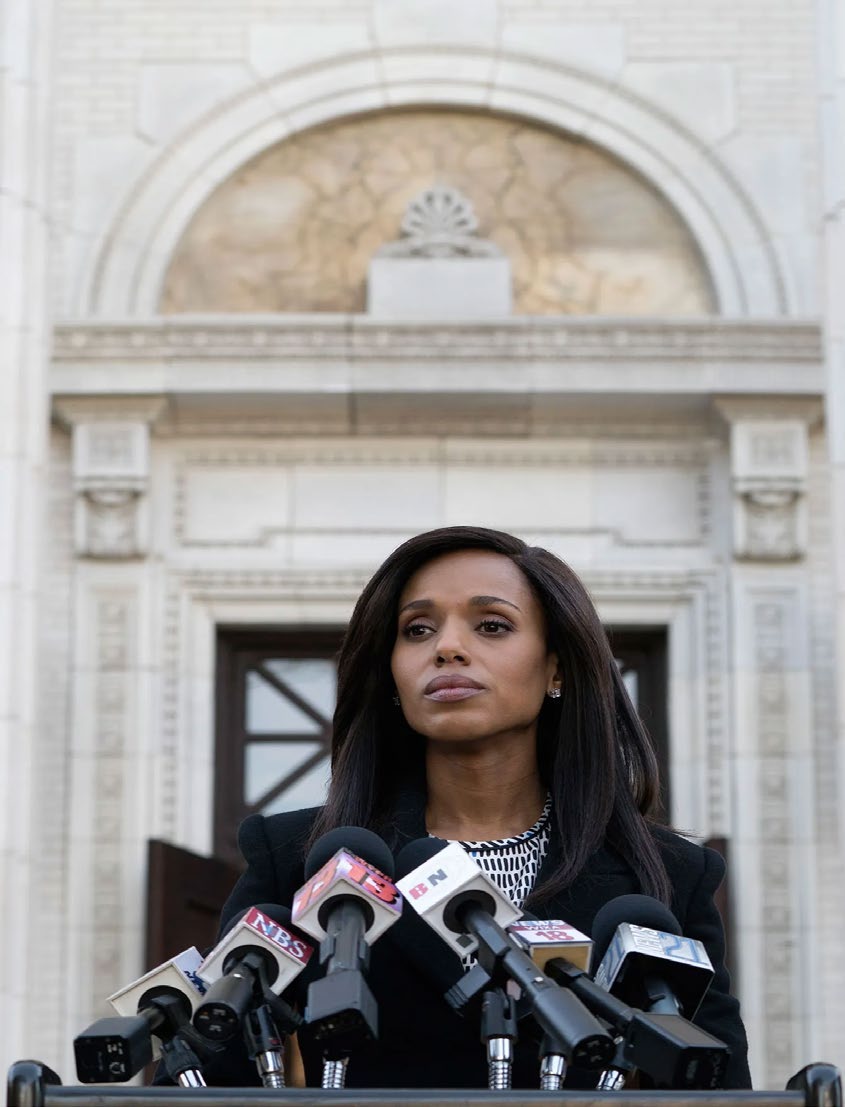
When most people think about politics, they still picture a man in a suit standing behind a podium, making big decisions. It's almost automatic. And that's exactly the problem.
Even here in Kenya, where we've seen more women step into leadership, politics still feels like a space where women have to fight twice as hard just to belong. It's not that they are not capable. It's that they are constantly being judged not just for their work, but for their lives.
Take something as simple as family.
A male politician can hold office, travel across counties, attend endless meetings, and no one stops to ask, “Who is taking care of his children?” It's never the headline. But when it comes to women, everything changes.
When Susan Kihika became a mother while serving as the Governor of Nakuru, the conversation quickly shifted from her leadership to her personal life. Instead of celebrating the fact that she could balance both leadership and motherhood, people questioned her priorities.
Some even turned it into criticism, as if being a leader and a mother at the same time is something wrong.
And it doesn't end there.
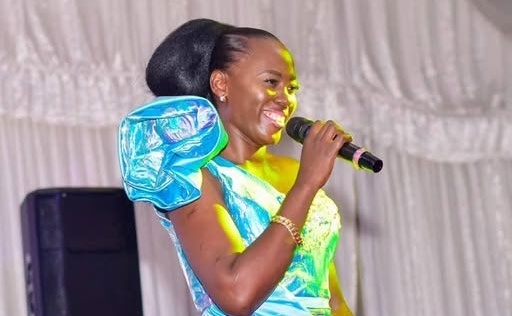
Public figures like Akothee, often outspoken about living life on her own terms, have faced heavy scrutiny over their personal choices. While she is not a politician, the way she is judged reflects the same mindset that women in leadership face: that a woman's personal life must fit a certain expectation.
So either way, women are stuck.
If she chooses family, she is seen as distracted.
If she chooses career, she is seen as incomplete.
There is no winning.
Then there is the issue of how women are spoken about in leadership.
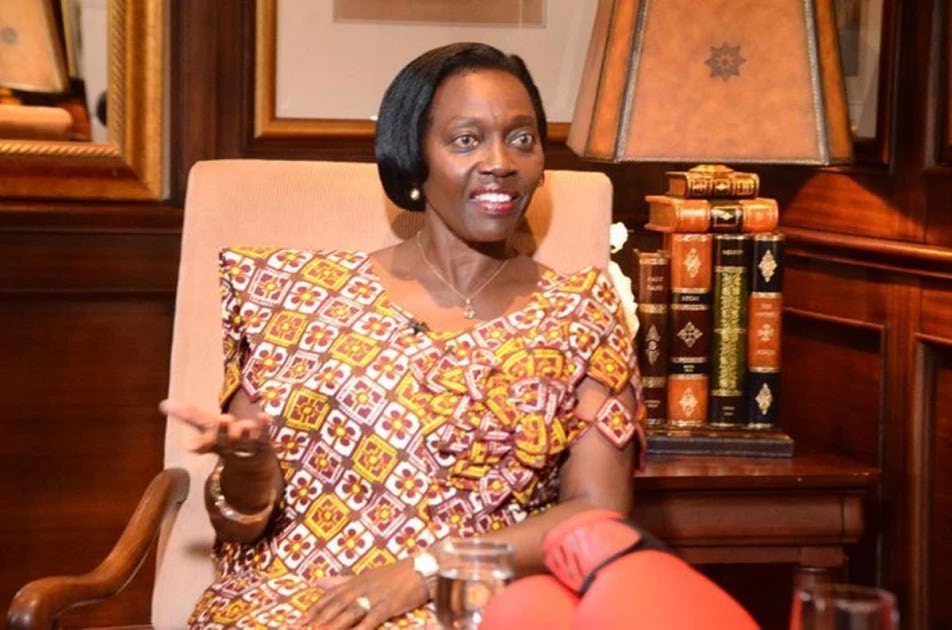
Look at Martha Karua, a strong and experienced political figure. For years, she has been described as “tough” or “iron lady.” While that may sound like a compliment, it is also telling. A man with the same traits would simply be called strong or decisive. But for women, strength is often turned into something intimidating or negative.
So now, instead of just focusing on leadership, women have to constantly think about how they are being perceived.
Am I too strong?
Am I too soft?
Will they take me seriously?
That pressure is real, even if people don't always see it.
Another challenge is access.
Politics in Kenya, just like in many other places, is not only about ideas. It is about networks, money, and influence. Campaigns require funding, connections, and strong backing. Historically, these spaces have been dominated by men, making it harder for women to break through.
Even when women are qualified, they often have to work twice as hard to gain the same level of recognition. Getting support, funding, or even a fair chance can be a struggle.
And when they finally step into leadership, the environment is not always welcoming.
Social media has made things even more intense. Female politicians in Kenya often face harsh online attacks that go beyond policy criticism. Instead of debating their ideas, people comment on their looks, their families, or even spread disrespectful narratives about them.
It becomes personal very quickly.
But despite all this, Kenyan women are still showing up.
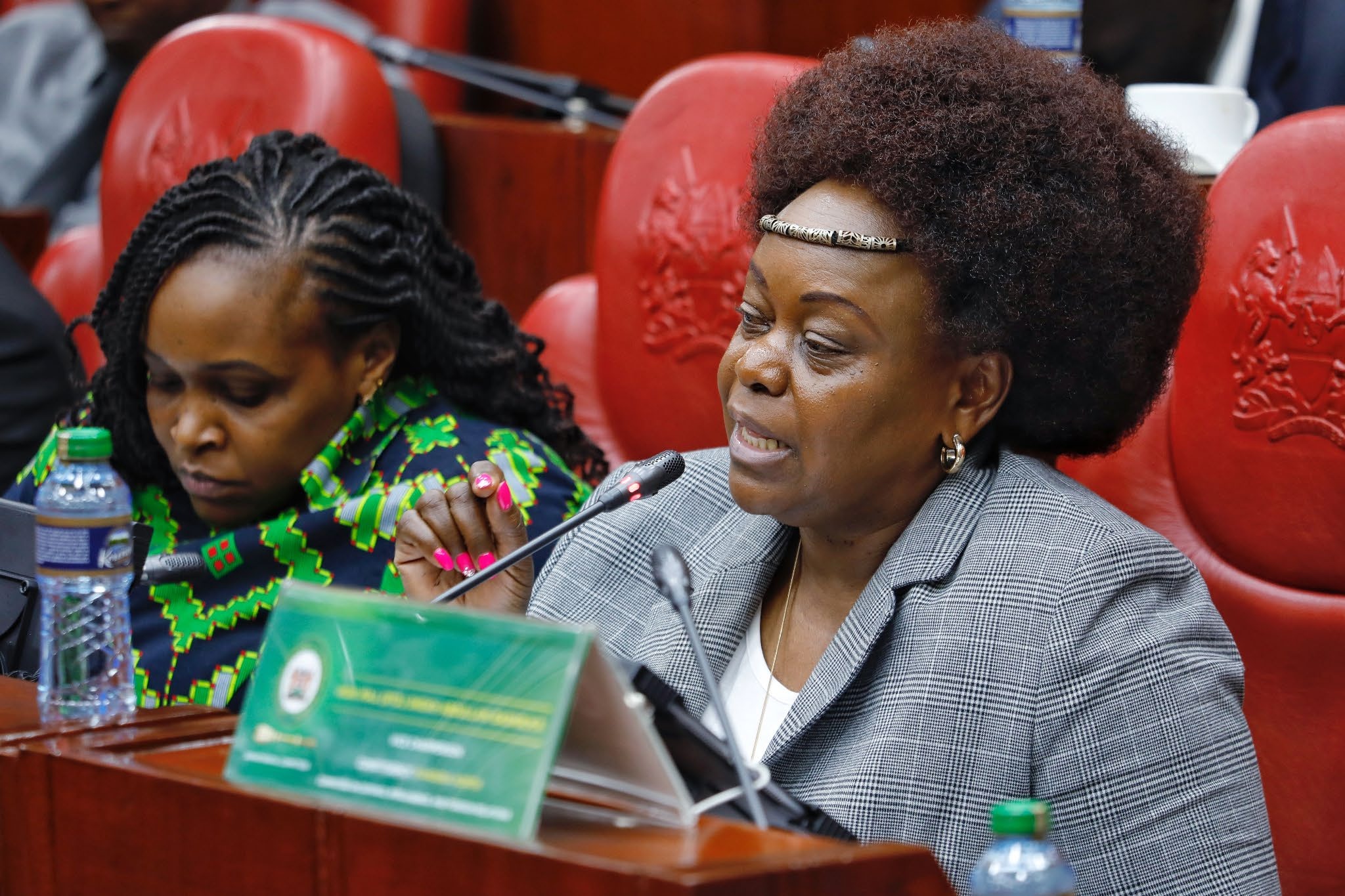
They are still running for office.
They are still leading counties.
They are still speaking up in parliament and beyond.
And when they do, something powerful happens.
The conversation begins to change.
Leaders like Gladys Wanga have helped bring attention to issues affecting communities, especially women and families. Their leadership shows that when women are involved, different perspectives come into the discussion.
It's not that men cannot address these issues. It's that women often bring lived experiences that make these issues more visible and urgent.
Representation is not just about numbers. It is about perspective.
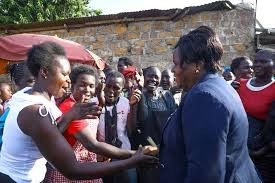
When a young girl in Kenya sees women like Martha Karua or Susan Kihika in leadership, it changes something in her mind. It tells her that leadership is possible. It makes her believe that her voice also matters.
And that is where real change begins.
But even with progress, there is still a long way to go.
The real change will not just come from encouraging more women to join politics. It will come when society stops questioning them when they do. It will come when a woman in power is no longer seen as something unusual, but something normal.
Because the truth is, women do not need to prove that they deserve a place in politics.
They already do.
What needs to change is the mindset that keeps doubting them.
Maybe instead of asking whether women can lead, we should start asking why they are still being held back.
Because until that changes, women in politics in Kenya will continue to fight battles that have nothing to do with leadership and everything to do with simply being accepted.
And honestly, that is the reality we don't talk about enough.