

Do you remember your first time? When it happened, where you were, who it was with?
If you’re honest, it probably didn’t live up to the story you had in your head.
For many women, those early experiences are less about excitement and more about confusion, discomfort, or simply wondering, “Was that it?” Somewhere between what we see on screens and what we’re actually taught, there’s a gap: one that leaves many of us figuring things out on our own.
This isn’t about encouraging anything prematurely. It’s about information. We’re taught how to navigate careers, relationships, even finances - but when it comes to understanding our own bodies, the conversation is often incomplete or avoided altogether.
The truth is, bodies are different. What feels natural or comfortable for one person may not be the same for another. Even widely accepted ideas about what “should work” don’t apply universally. Comfort, preference, and anatomy all play a role, and sometimes it takes time and honest communication - to understand what feels right.

But there’s another reality that rarely gets discussed openly: some people simply don’t enjoy sex.
It’s not as uncommon as people think, but it’s often misunderstood. For some, it’s about not finding it physically pleasurable. For others, it’s a deeper disconnect: something that just doesn’t spark interest or excitement in the way it’s often described.
In certain cases, there may be medical reasons. Conditions like vaginismus, for example, can make intimacy physically uncomfortable despite care and preparation. Experiences like that can shape how someone relates to sex over time. And even beyond medical explanations, many people find that their expectations simply don’t match their reality.
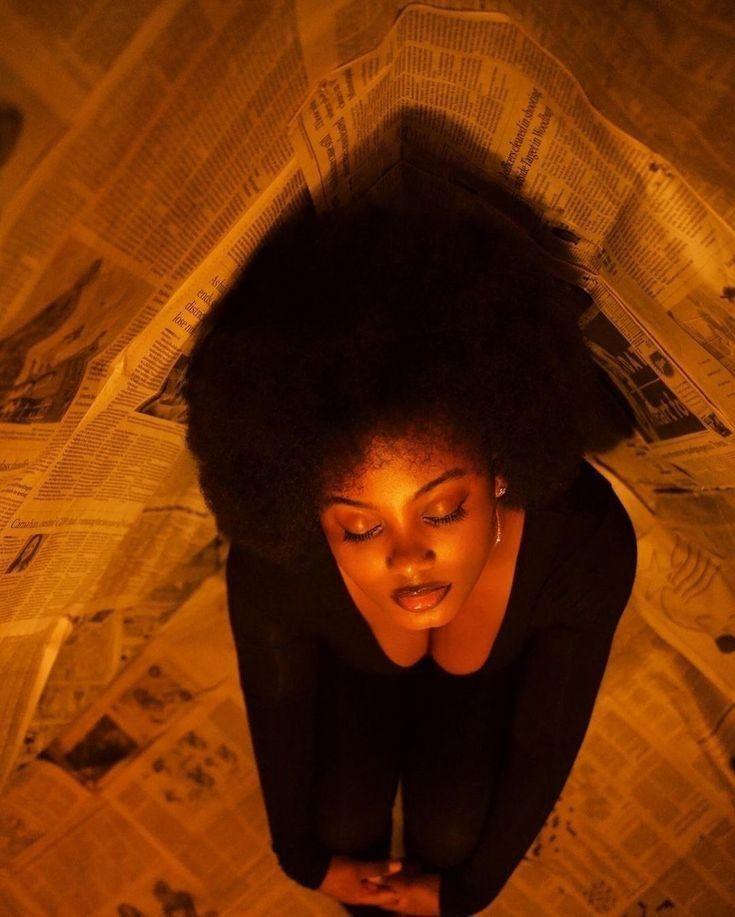
Some quietly wonder if they missed a memo everyone else seemed to receive.
There’s also the pressure to respond a certain way- to enjoy it, to perform that enjoyment, to fit into what is considered “normal.” It’s a script many people learn early, even when it doesn’t reflect their true experience. Over time, that gap between expectation and reality can feel isolating.
And yet, there’s a perspective we don’t talk about enough: what if it’s simply not that important to everyone?
Not everyone centres their life, relationships, or identity around sex. Some people may identify as asexual, meaning they experience little or no sexual attraction. Others may go through phases where their interest shifts or fades. For some, it’s just not a priority - and never has been.
In a society where conversations around sex can feel either overly sensationalised or quietly avoided, there isn’t always room for these more nuanced experiences. But maybe there should be.

Because not liking sex isn’t necessarily a problem to be solved. It might just be a different way of experiencing life. So instead of asking whether something is “normal,” maybe the better question is: what feels true for you? And maybe that answer…whatever it is…deserves a little more space, and a lot less judgment.