
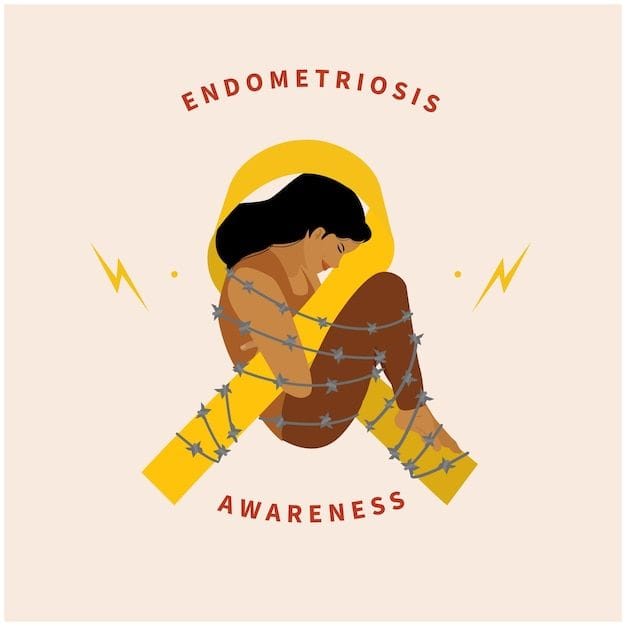
For millions of women, pain during menstruation is normally dismissed as something to endure. That pain has a name – endometriosis.
Endometriosis is a female reproductive system disorder in which endometrium-like tissue grows and develops outside of the uterus. It affects the ovaries, fallopian tubes and the abdominal cavity to cause discomfort before the menstrual cycle and extremely painful menses. Endometrial-like tissue will respond to hormonal changes during the menstrual cycle and just like the uterine lining, they thicken, break down and bleed. Because the blood has no way to exit, inflammation, scarring and adhesions form, causing chronic pelvic pain, painful periods, infertility and fatigue.
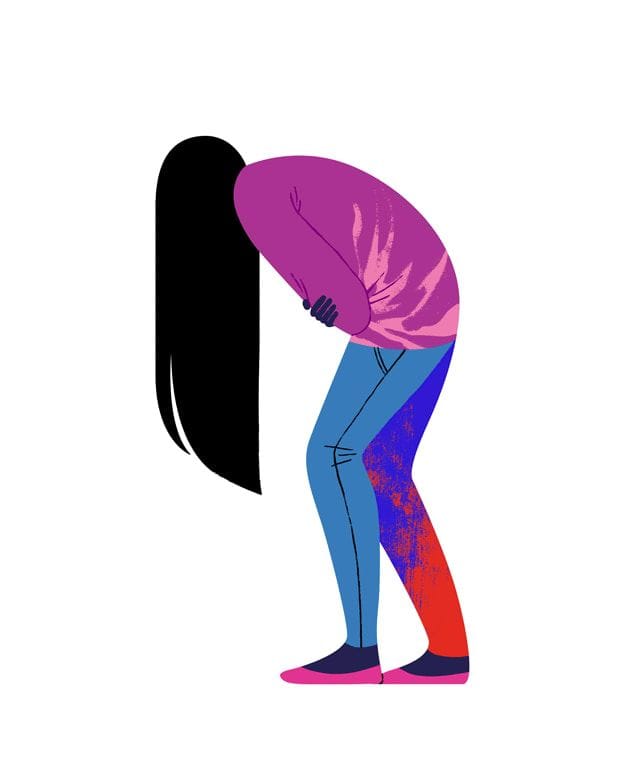
It affects about 10% of women of reproductive age. Endometriosis is often considered a silent disease because it can occur without any obvious symptoms, or, the symptoms can be easily mistaken for other conditions. Many people with the condition do not experience typical pain and may not know they have it until they face fertility issues. The condition is also often discovered by chance during surgery or when a person seeks help for infertility.
It has a substantial impact on individuals as symptoms can be debilitating and may affect fertility and the quality of life, leading to reduced participation in school, work and social activities.
For Kenya, one of the most visible faces of this reality was the late Njambi Koikai. To many Kenyans, she was a vibrant personality and a passionate advocate. Few understood that behind her public presence was a body constantly at war with itself. She speaks about her first experience with menstruation pain as being characterized by excruciating pain, profuse sweating and vomiting. She recounts that she was on her way to school when she started experiencing these symptoms but they worsened, to the point whereby she had to go back home as she was seriously ill. She reports this to her mother and grandmother who imply that menstrual pain is normal. They proceed to tell her that the pain normally subsides once a person has given birth.
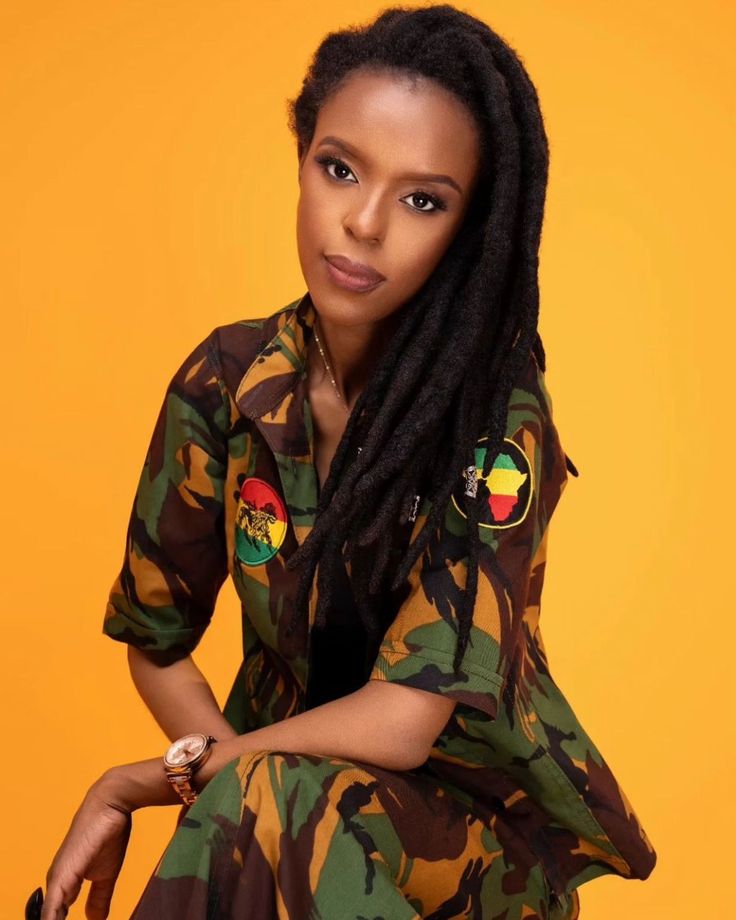
She mentions that her mother and grandmother had experienced painful menses as well. She decides to visit a gynecologist who also suggests that menstrual pain always subsides after giving birth. She is put on birth control at the tender age of 15 years. This is supposedly meant to reduce the pain but it doesn’t. She describes her menses as heavy, characterized by clotting. She says she used 10 packs of pads in a week.
Later on, her symptoms worsen whereby she begins to experience breathing difficulty. At one point, she has to be rushed to hospital. After an x-ray, doctors realize that her lungs are collapsed. She is therefore subjected to multiple surgeries since she has begun developing complications. Doctors diagnose her with thoracic endometriosis. Endometrial cells have migrated to her lungs and every month, during each menstrual cycle, they bleed into her lungs. She says that this issue went on for two years and by that time she had underwent 18 surgeries. She seeks a specialist for her condition and she is forced to travel abroad for treatment.
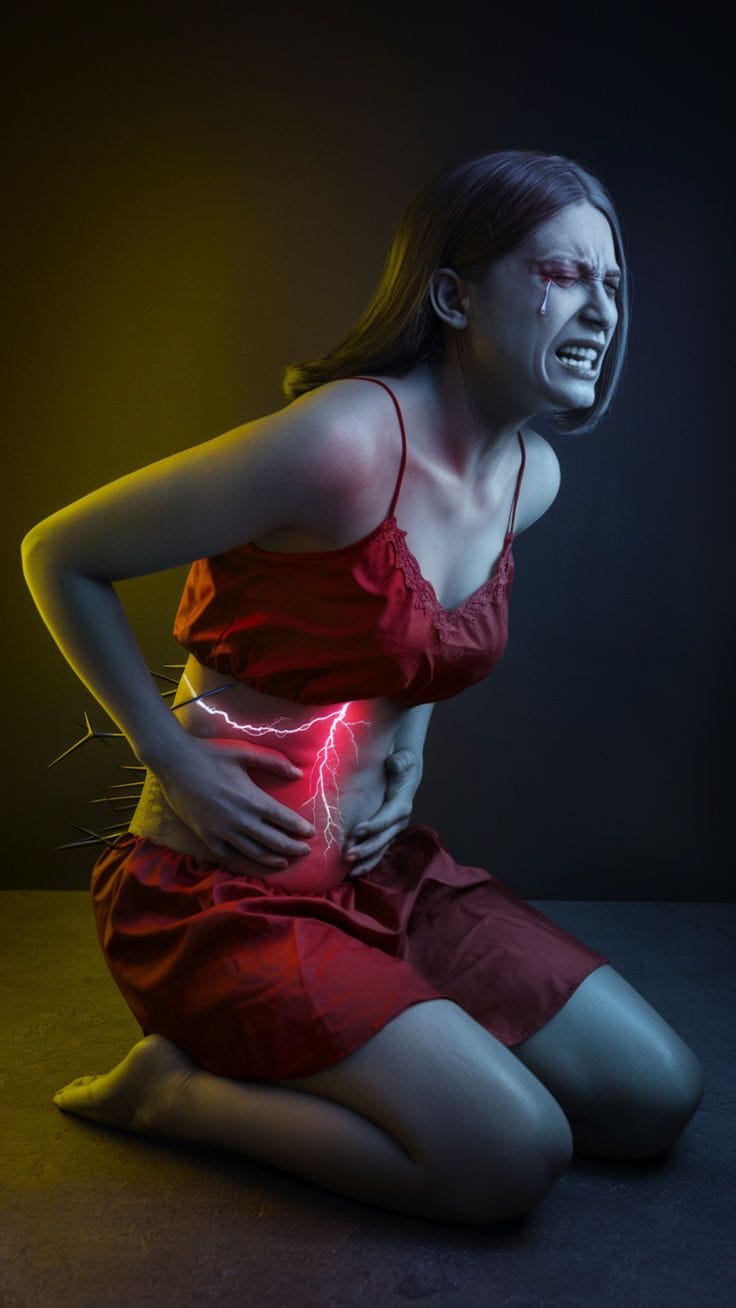
She says that at one point she wasn’t able to conceive as her condition brought about fertility issues. Despite repeated medical procedures and ongoing treatment, complications continue to arise. Yet, even in her most vulnerable moments, she chooses to speak publicly about her experience. To advocate that women listen to their bodies and seek medical help early.
Like countless women, Njambi’s symptoms were initially minimized, delaying critical intervention. By the time she received a definitive diagnosis, the disease had progressed and significantly compromised her health. As a result, she passed away in 2024. May her soul rest in peace. Her death exposed a harsh truth, that endometriosis is fatal when overlooked. Women’s pain is not trivial and silence within healthcare systems can cost lives.
Breaking the silence around endometriosis begins with validating women’s symptoms and challenging the idea that debilitating menstrual pain is “normal”. We need to create an environment in which women feel safe to discuss reproductive health issues without shame. This can be done by having public discussions, school-based menstrual health education and workplace support for women experiencing chronic pain. When women understand that severe pain is a red flag, they are more likely to advocate for themselves, ask the right questions and request referrals and further tests. At the same time, better training for healthcare providers, stronger public health campaigns and increased investment in research are essential in improving diagnosis and treatment. Community support and advocacy by NGOs helps women feel heard, offers emotional support and provides educational research. Awareness is the first step towards early intervention, better care and empowered women’s health.